CPG marketing content: scaling visuals across brands and markets


CPG marketing is the marketing of consumer packaged goods: the food, drink, household, personal care and beauty products people buy often, usually through retailers. CPG is the term used mostly in North America, while FMCG (fast-moving consumer goods) is more common internationally. NIQ describes FMCG as the fast-selling, low-cost part of CPG that retailers restock often.
CPG marketing differs from most consumer marketing in a few ways that shape everything else. Most products are sold through retailers rather than directly, so marketing serves two customers, the shopper and the retailer. Growth comes mostly from reaching more buyers, so brands need mass reach and to be easy to find wherever people shop. And portfolios are large, with many brands, products, markets and retailers, so the amount of content needed is a structural problem rather than a campaign problem. This guide covers what drives CPG brand growth, CPG retail and digital marketing, the content problem behind them, and a CPG marketing strategy for 2026.
What is CPG marketing?
CPG marketing covers brand building, packaging, retail and shopper marketing, retail media, e-commerce content, social and digital marketing for consumer packaged goods. Compared with other consumer marketing, it has four defining features:
- It sells through intermediaries. Most sales happen in stores and on retailer websites that the brand doesn’t control.
- It has little first-party data. The retailer, not the brand, usually knows who bought what.
- It needs mass reach. Products are bought often by many people, most of whom buy any one brand only occasionally.
- The pack and the shelf are media. Packaging, shelf position and the product page do much of the marketing at the moment of choice.
Four forces that shape CPG marketing
1. Retailers are a second customer
A handful of retailers account for a large share of sales for the biggest CPG companies. In their 2025 annual reports, P&G said Walmart accounted for about 16% of its sales and its top ten customers for 43%, PepsiCo put Walmart at about 14% of net revenue, and Colgate-Palmolive put it at about 11% of net sales. Marketing therefore has to win the retailer’s support as well as the shopper’s: listings, shelf space, promotions, retail media and content that meets each retailer’s requirements.
2. Growth comes mostly from penetration
Byron Sharp’s How Brands Grow, published in 2010 and based on research at the Ehrenberg-Bass Institute, showed that most of a brand’s buyers are light buyers and that brands grow mainly by reaching more of them. Sharp names two drivers: mental availability, being thought of by more buyers in more buying situations, and physical availability, being easy to find and buy. Related research describes “double jeopardy”: smaller brands have fewer buyers, and those buyers are slightly less loyal.
The Brand Footprint study, published by Worldpanel by Numerator, which ranks the most-chosen FMCG brands across more than 30,000 brands in 56 markets, supports this. In its 2025 edition, about 80% of the brands that grew did so by increasing penetration. Coca-Cola remained the most-chosen brand in the world.
3. Price pressure from private label
Retailers’ own brands compete with CPG brands on the same shelf. In the US, store brands reached $282.8 billion in sales in 2025, a 21.3% share of dollar sales and a record 23.5% of units, according to PLMA and Circana. In Europe, private label’s share across 17 countries reached 39.5% in the year to mid-2026, according to PLMA and NIQ, and more than half in Switzerland. Brands have to justify their price at the shelf, which puts more weight on distinctiveness, product superiority and how the product is presented.
4. Portfolios are large
The largest CPG companies manage thousands of brands and products across most of the world. Nestlé has more than 2,000 brands, available in 185 countries. P&G sells in about 180 countries and territories, and PepsiCo and Colgate-Palmolive in more than 200. BCG wrote in 2026 that a large CPG company that once produced about 500 assets a year might now need five to six million, as touchpoints have grown from about five to more than fifteen. BCG gives it as an order of magnitude rather than a measured figure. The multiplication itself is easy to see, because every brand, product, pack version, market, retailer, channel and format adds to the content needed.
CPG brand marketing: building mental availability
Mental availability is built over years with consistent, distinctive brand assets and broad reach. The UK’s IPA Effectiveness Awards, which judge campaigns on evidence of business results, show the effect in CPG:
- McCain won the 2024 Grand Prix for nine years of emotional brand-building from 2015, which the case reported reduced price elasticity by 47% and increased sales value by 56%.
- Lurpak won Gold in 2026 for a long-running campaign that the case reported raised annual brand value by 156% and returned £1.51 in profit for every pound spent on media.
Both cases rest on brand building sustained over many years. Brand consistency covers why consistency over time matters and what to keep fixed.
CPG retail marketing: physical availability on every shelf
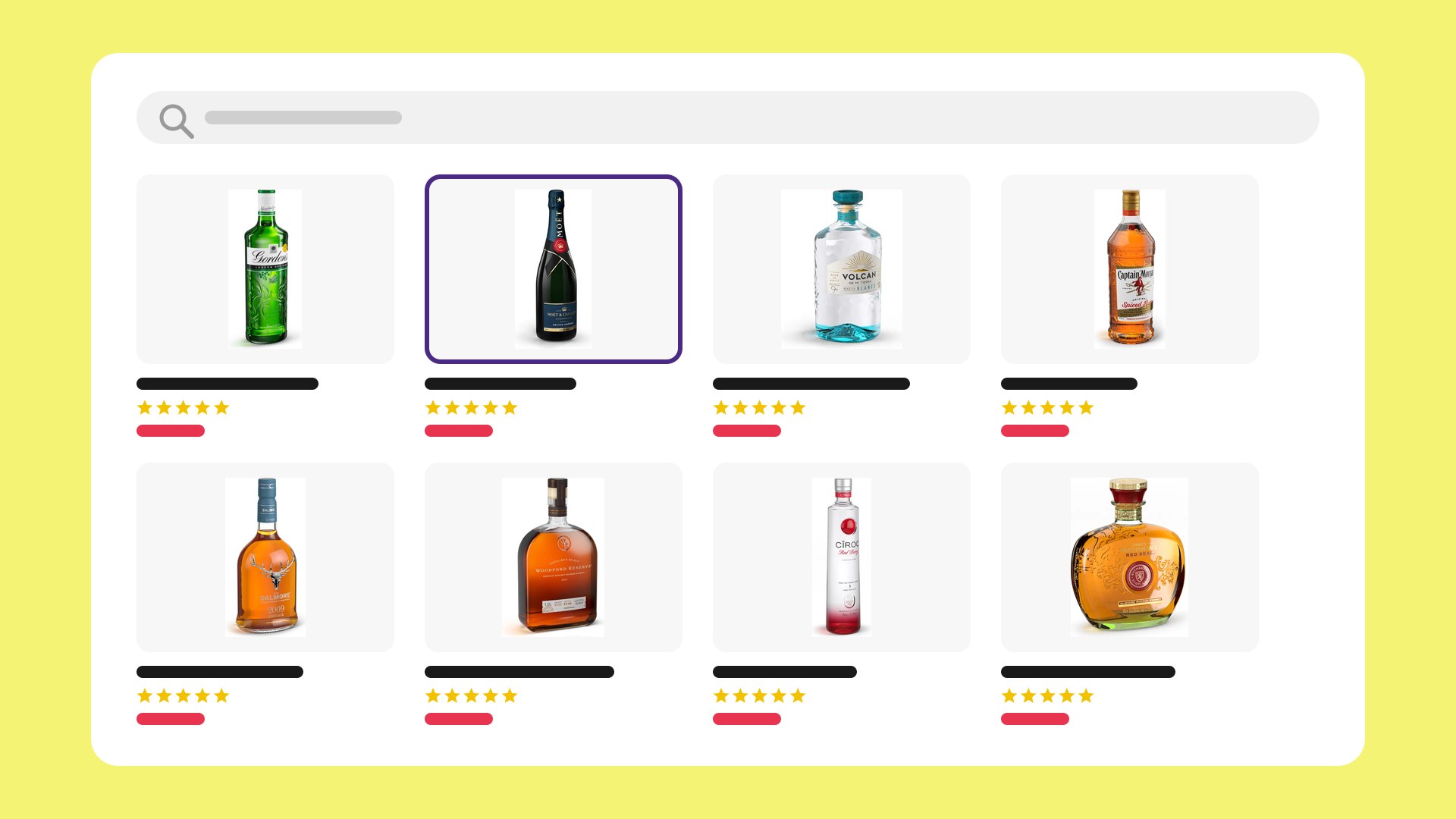
Physical availability now means two shelves: the one in the store and the digital one on retailer websites, apps and AI assistants. On the digital shelf, every retailer listing in every market is a point of availability, and each needs accurate images, titles and attributes that meet the retailer’s requirements. The digital shelf covers how visibility is won, and product detail page content, packshots at scale and Amazon product image requirements cover the content it needs.
Retail media connects the two. US commerce media revenue reached $63.4 billion in 2025, 21.5% of digital ad revenue, according to IAB and PwC. WARC forecasts that in 2027 alcoholic drinks brands worldwide will put 55.8% of their media investment into retail media networks. Retail media works best when the product is in stock and its content is complete, because the ads draw on the same listings.
P&G’s strategy shows how much of CPG marketing is presentation. It describes “irresistible superiority” across five vectors: product, packaging, brand communication, retail execution and value. Packaging, brand communication and retail execution all depend on content.
CPG digital marketing
Beyond retail media, CPG digital marketing spans social media, social commerce, online video and connected TV, search and influencers. In the US, social media advertising revenue reached $117.7 billion in 2025, according to IAB and PwC. TikTok Shop’s US gross merchandise value reached about $15.1 billion in 2025, up 68% on the year before, with beauty and personal care the largest category, according to Momentum Works.
The lack of first-party data shapes how CPG brands use these channels. Many work through retailers’ data instead, using data clean rooms that let brands and retailers combine data without sharing it directly. IAB reported in 2023 that 64% of companies using privacy-preserving technology used data clean rooms. Kroger, for example, combined its 84.51° data unit with its retail media, insights and loyalty marketing services as Kroger Precision Marketing. Personalization in CPG therefore often happens through retailers and contexts rather than individual profiles. Personalized advertising covers the options.
The content problem behind CPG marketing
Together, the four forces add up to a content problem. A single CPG brand may need, for every product and pack version:
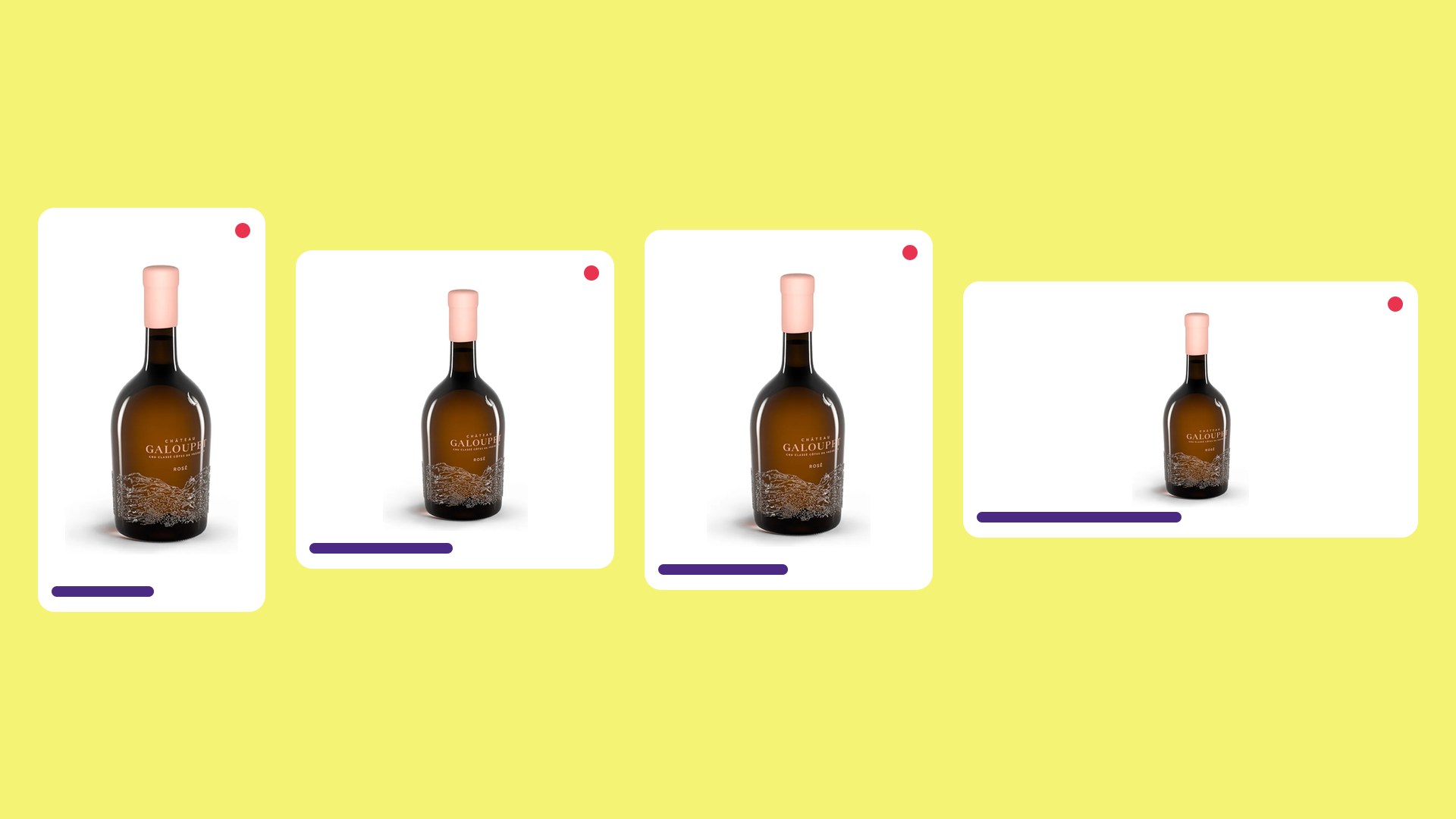
- packshots and alternate views for every retailer, in each retailer’s format;
- product page content for every retailer and language;
- retail media creative for each retailer’s ad formats;
- social and video content for each platform’s formats;
- campaign adaptations for every market, with local language, claims and regulations;
- promotional and seasonal variants, multipacks and limited editions.
Multiplied across a portfolio, that is more content than most teams can produce with shoots and manual adaptation, and every pack change, promotion or new retailer format starts the cycle again. Content production at scale covers how the production model changes, content localization covers adapting for markets, and brand compliance covers keeping claims and brand rules right at volume.
A CPG marketing strategy for 2026
- Grow penetration. Plan reach for light and non-buyers, not only for loyal customers.
- Build and protect distinctive assets. Decide which assets are fixed, test changes before making them, and keep campaigns long enough to work.
- Win physical availability on every shelf. Treat each retailer listing in each market as a point of availability, with complete, accurate and compliant content.
- Coordinate retail media with stock and content. Spend where products are in stock and listings are complete.
- Localize within global rules. Fix the brand’s codes centrally and let markets adapt the rest.
- Produce content as a system. Build product content from digital twins and approved masters, encode brand and retailer rules, and generate the variants rather than making each one by hand.
- Measure for the long term. Judge brand building on penetration, mental availability and multi-year effects, as the IPA cases do, alongside short-term sales.
What it looks like in practice
The Coca-Cola Company has replaced traditional photography with digital twins across its campaigns, digital shelf and e-commerce imagery, as it described with Grip at NVIDIA GTC in 2025. Beiersdorf, the company behind NIVEA and Eucerin, uses Grip’s digital twins and AI-enabled content configurators to deliver brand-compliant content for global and local markets across formats and channels. Opella centralized its global e-commerce content production with Grip while giving local teams room to move fast. The CPG brands that Grip’s Digital Twin Factory lists among its customers also include Kellanova, Heinz and Campbell in food.
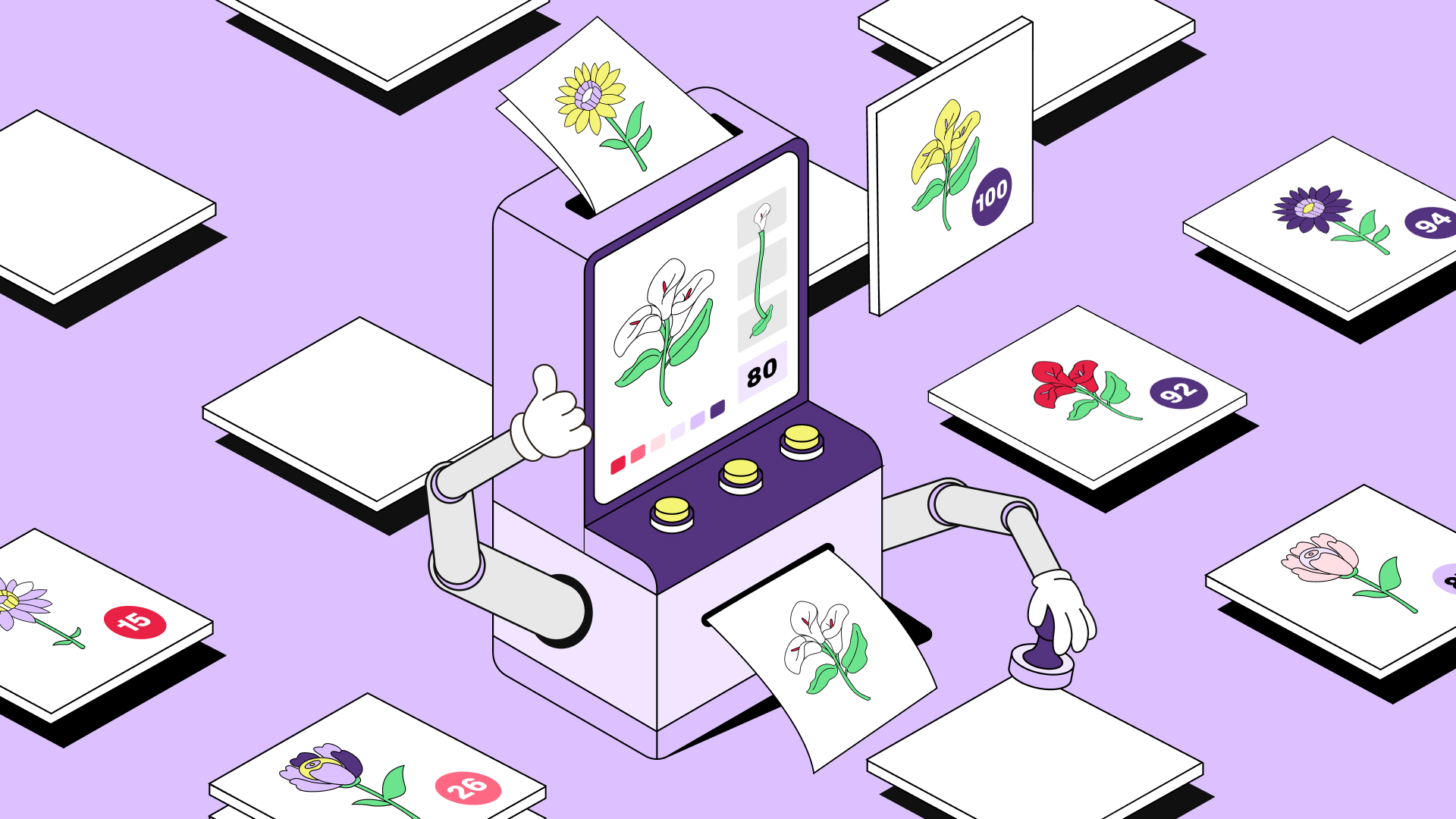
Grip is the enterprise automation platform for publishable marketing content at scale, built by INDG. For CPG marketing, it turns the content problem into a production system. Digital Shelf generates hero shots, alternate views and promo variants from digital twins of the actual product and validates them against GS1, Amazon and Walmart standards. Adaptations produces compliant variations of a master asset, from Originals, a new campaign or an existing shoot, for every market, retailer and format. Originals creates new on-brand content from a brief without a physical shoot, with art direction, brand and compliance rules from the Brand Center applied at generation time. The twins and rules belong to the brand, so each brand, product and market added makes the next one faster to support.
Where to start
Take one brand and map its content for a quarter: products and pack versions, markets, retailers, channels and formats. Count the assets produced and the ones that were needed but missing or out of date. Then mark which of them a single accurate product source and a set of encoded rules could have produced. The gap between what the brand needed and what it could produce is where to start. For the economics of the shift, read content production at scale, or talk to the Grip team.
Frequently asked questions
What is the difference between CPG and FMCG?
The terms overlap. CPG (consumer packaged goods) is used mostly in North America, while FMCG (fast-moving consumer goods) is more common internationally. NIQ describes FMCG as the fast-selling, low-cost part of CPG that retailers restock often, such as processed foods, drinks and toiletries.
How do CPG brands grow?
Mostly by reaching more buyers rather than getting existing buyers to buy more. Research by the Ehrenberg-Bass Institute shows that most of a brand’s buyers are light buyers, and Worldpanel by Numerator’s Brand Footprint study finds that about 80% of growing FMCG brands grow by increasing penetration. That makes mental availability, being thought of, and physical availability, being easy to find and buy, the main levers.
What is a CPG marketing strategy?
A CPG marketing strategy sets how a brand will reach more buyers, build and keep its distinctive assets, win availability on every physical and digital shelf, work with retailers and retail media, and produce the content all of that needs, across every brand, product, market and channel in the portfolio.
What is CPG digital marketing?
CPG digital marketing covers the digital channels consumer goods brands use: retail media and e-commerce content on retailer sites, social media and social commerce, search, online video and connected TV, influencers and data partnerships with retailers. Because CPG brands sell mostly through retailers, much of it happens on platforms the brand doesn’t own.
What is CPG retail marketing?
CPG retail marketing is the work of winning at the point of purchase: distribution, shelf placement and promotions in stores, and search ranking, product pages, ratings and retail media on retailer websites and apps. It is how a brand builds physical availability, and it depends on accurate, retailer-ready content for every product.
References
- NIQ, “What is the difference between FMCG and CPG?” 15 February 2022.
- Circana, CPG dictionary: FMCG.
- Procter & Gamble, Form 10-K for the fiscal year ended 30 June 2025.
- PepsiCo, Form 10-K for the fiscal year ended 27 December 2025.
- Colgate-Palmolive, Form 10-K for the fiscal year ended 31 December 2025.
- Ehrenberg-Bass Institute, books, including How Brands Grow.
- Byron Sharp, “Answering critics,” 18 September 2016.
- Ehrenberg-Bass Institute, “The double jeopardy law in B2B shows the way to grow,” May 2021.
- Worldpanel by Numerator, Brand Footprint.
- Worldpanel by Numerator, “Brand Footprint 2025: Asia remains an FMCG growth hotspot,” 15 September 2025.
- Trademagazin, on the Brand Footprint 2025 global ranking, 25 July 2025.
- PLMA, “US private label industry reached $282.8 billion in sales in 2025,” 20 January 2026.
- PLMA International, private label today.
- Nestlé, brands.
- BCG, “Why Most CEOs Are Failing Marketing’s New Math Test,” 29 September 2026.
- IPA, “adam&eveDDB wins Grand Prix at 2024 IPA Effectiveness Awards for McCain paper,” 7 October 2024.
- WARC, on Lurpak’s IPA Effectiveness case, 1 October 2026.
- IAB, “Digital ad revenue climbs to nearly $300B,” 16 April 2026.
- WARC, on retail media’s share of drinks brands’ ad budgets, 21 August 2026.
- Momentum Works, on TikTok Shop US GMV in 2025, 11 February 2026.
- IAB, “How retailers are using data clean rooms,” 5 April 2023.
- ANA, on Kroger Precision Marketing, 31 July 2025.
About Grip
As INDG’s software branch, Grip is a visual content configuration engine powered by NVIDIA Omniverse that makes it possible for large enterprises to use AI at scale. It breaks existing content down into configurable modules, allowing brands to swap out any element, including products, talent, accessories, and branding assets, with complete control and accuracy. Grip integrates with existing workflows to automate product swaps and generate endless, hero-quality content variation, without disrupting established content production processes.